⌖
More precise location
Narrow the suspected area before concrete or finished flooring is disturbed.
Pinpoint hidden plumbing leaks with a careful, evidence-led inspection plan. The goal is to narrow the location first and avoid unnecessary demolition.
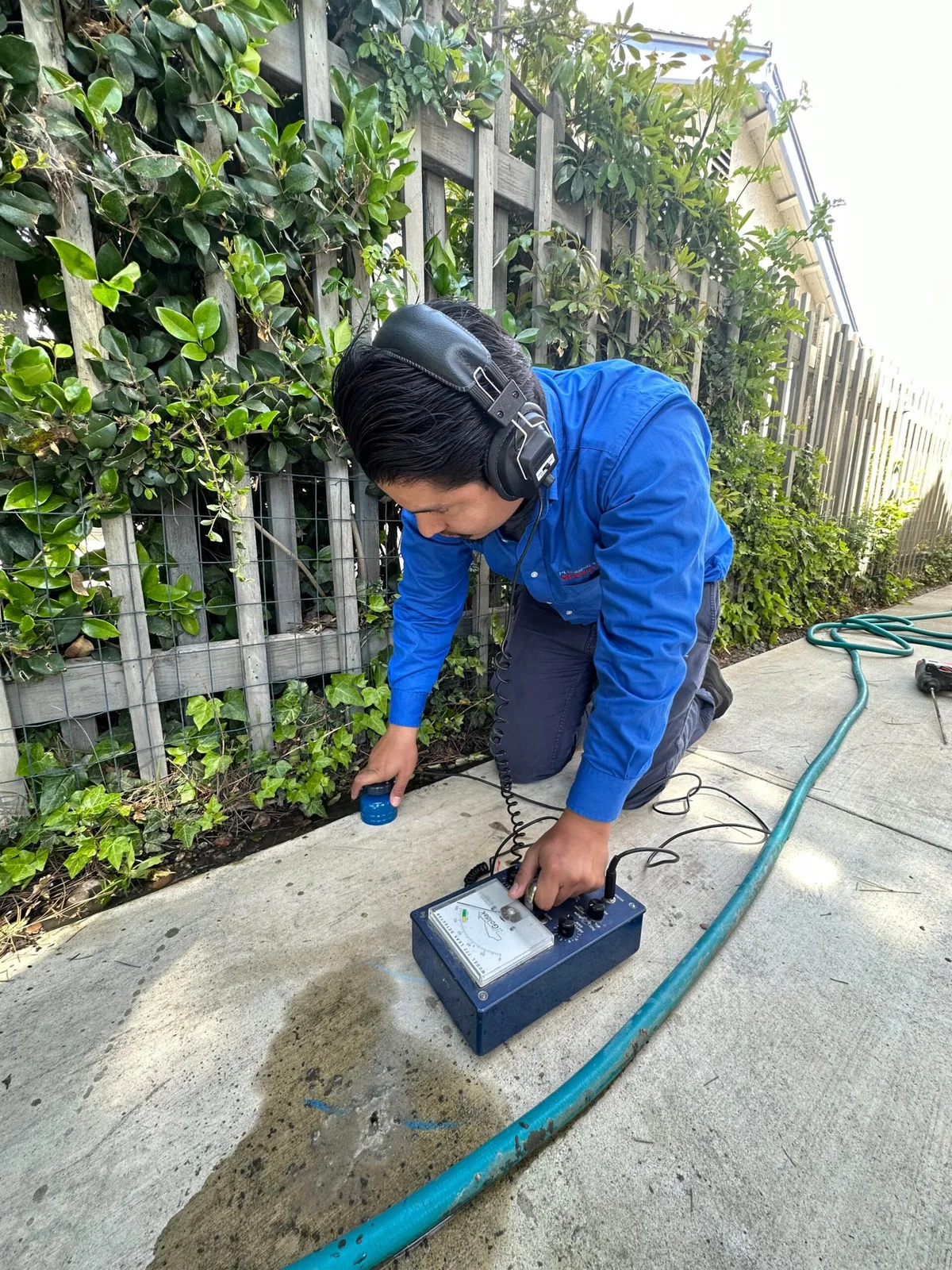
A damp spot rarely tells the whole story. Combining appropriate listening, thermal and pressure checks can help distinguish a suspected slab leak from other sources before repair work begins.
The best outcome comes from matching the method to the real site conditions.
Narrow the suspected area before concrete or finished flooring is disturbed.
Use test results to help decide where access is actually needed.
Understand what was tested, what was found and what remains uncertain.
Each stage should be explained before work moves to the next one.
Document the symptoms, water-use pattern and areas affected.
Use suitable pressure, meter and isolation checks where appropriate.
Apply acoustic or thermal tools when conditions support their use.
Explain the likely source and outline reasonable repair choices.
Tools support a diagnosis; they do not replace a full assessment.
Helps identify leak noise in pressurized plumbing.
Shows temperature patterns that may help narrow a search.
Helps assess whether a line is losing pressure.
These are illustrative examples, not claims of completed customer jobs.
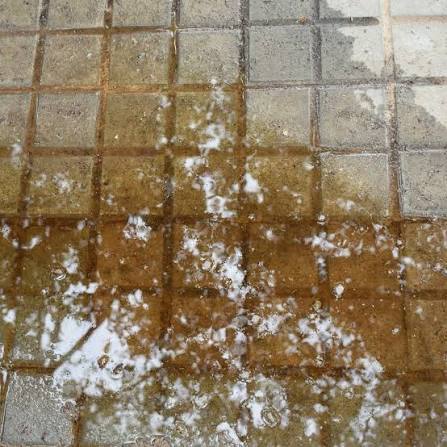
Warm spots, damp flooring or water sounds with fixtures off.
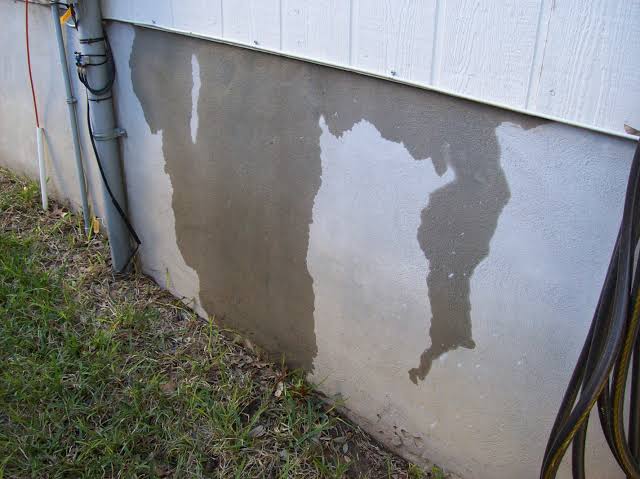
Staining or moisture that appears away from the pipe source.
A meter movement or bill change that needs investigation.
Coverage depends on the provider and location. Ask about credentials, scheduling and any travel charges before booking.
Ask which tests support the proposed repair and what remains uncertain.
Confirm access, materials, testing, debris removal and surface restoration.
Ask how the system will be retested and what written documentation you receive.
Often the first stage is non-invasive testing. Access may still be needed for confirmation or repair, depending on the pipe and site conditions.
No. Thermal patterns are clues, not proof by themselves. They should be interpreted alongside other checks and site conditions.
You should receive an explanation of the findings and options such as direct access repair, rerouting or repiping where suitable.
Share the symptoms and your location. A qualified local provider can confirm availability, inspect the system and discuss the scope.
Share a few details so your enquiry has a useful starting point.