⌂
Preserve more surfaces
May reduce digging where the pipe and site are suitable.
Some drain and sewer pipes can be rehabilitated from the inside using trenchless methods. Suitability depends on pipe type, condition, access and the cause of damage.
Where the existing pipe can support rehabilitation, lining may reduce excavation and surface restoration. It is not suitable for every water supply line, collapsed pipe or structural condition.
The best outcome comes from matching the method to the real site conditions.
May reduce digging where the pipe and site are suitable.
Camera inspection and condition assessment help determine feasibility.
Choose a repair approach based on pipe material, damage and access.
Each stage should be explained before work moves to the next one.
Identify the pipe, access points and the type and extent of damage.
Prepare the pipe using a method suitable for its material and condition.
Use an approved lining or trenchless method if the pipe qualifies.
Inspect and test the repaired section as the chosen system requires.
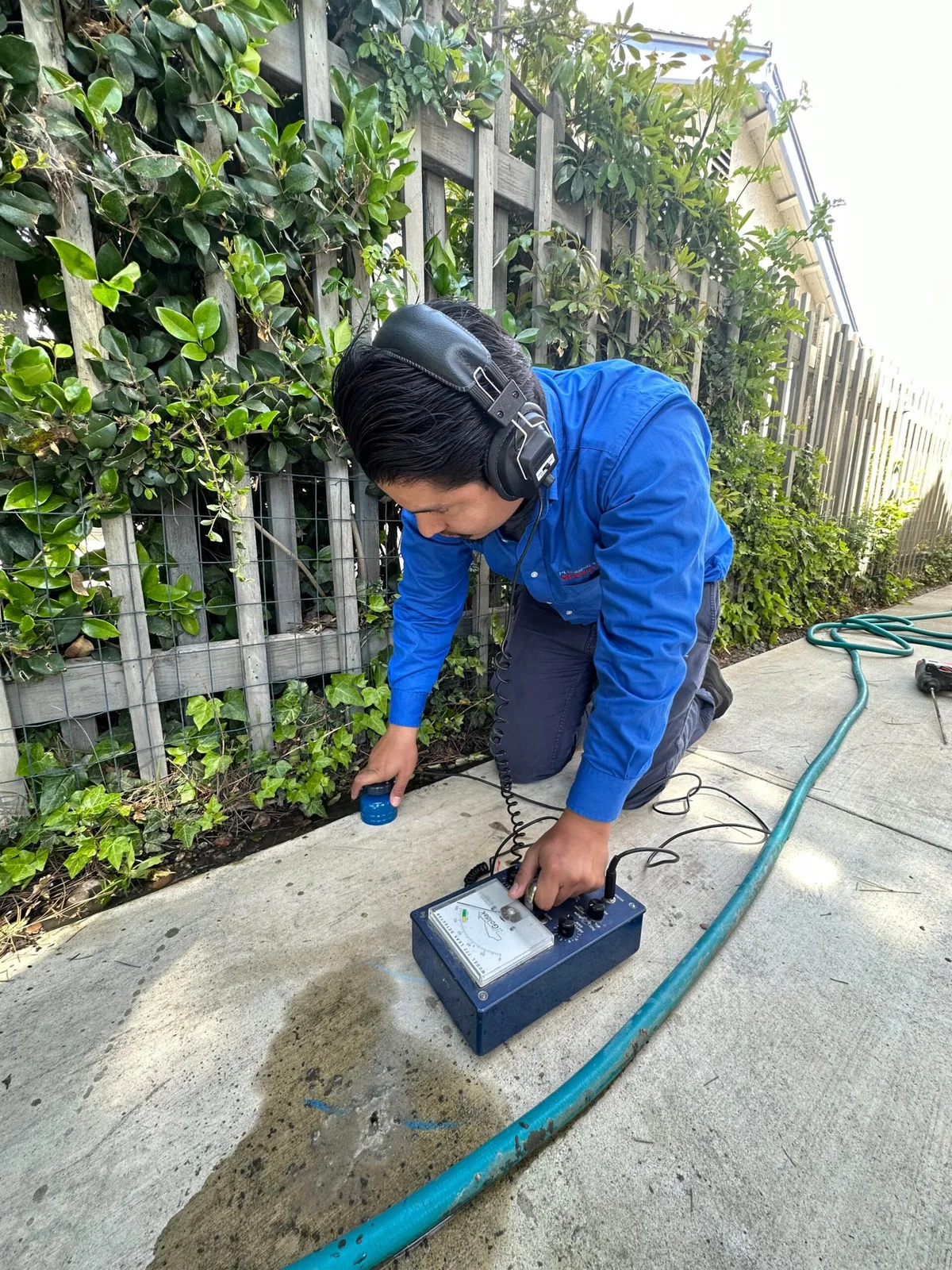
Tools support a diagnosis; they do not replace a full assessment.
Shows internal condition and helps locate defects.
Cleaning and preparation are selected for the specific pipe.
A suitable liner creates a renewed internal surface in qualifying pipes.
These are illustrative examples, not claims of completed customer jobs.
A drain or sewer line with suitable geometry and structural condition.
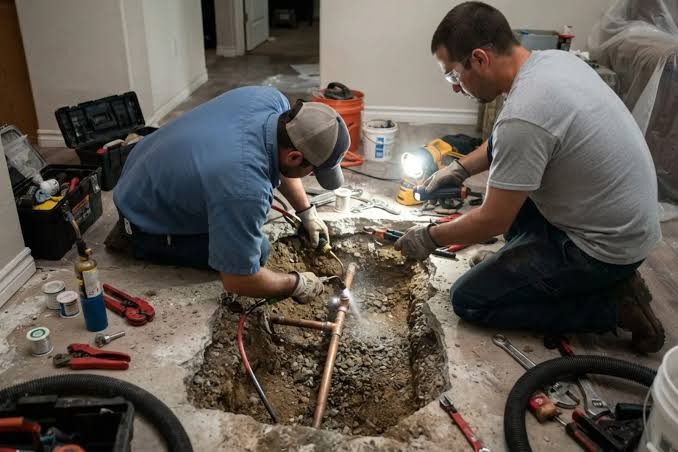
A site where reducing excavation could protect landscaping or paving.
A defined crack or deterioration that meets the chosen system criteria.
Coverage depends on the provider and location. Ask about credentials, scheduling and any travel charges before booking.
Ask which tests support the proposed repair and what remains uncertain.
Confirm access, materials, testing, debris removal and surface restoration.
Ask how the system will be retested and what written documentation you receive.
No. Lining is commonly used for qualifying drain and sewer systems; pressurized water supply leaks may need a different repair.
Not necessarily. Access pits, cleanouts or localized excavation may still be needed.
Confirm the pipe type, camera findings, structural condition and the repair system requirements before selecting a method.
Share the symptoms and your location. A qualified local provider can confirm availability, inspect the system and discuss the scope.
Share a few details so your enquiry has a useful starting point.