⌖
Identify the source
Separate possible plumbing leaks from outside water and drainage issues.
Damp floors, seepage and foundation moisture can have several causes. A careful assessment helps separate plumbing leaks from drainage, groundwater and exterior water-entry problems.
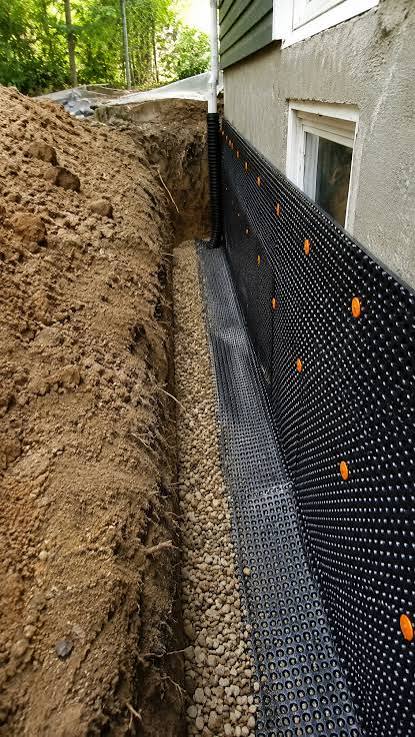
Waterproofing works best when the source and pathway are understood. A plumbing leak, poor grading, blocked drainage and groundwater pressure need different solutions.
The best outcome comes from matching the method to the real site conditions.
Separate possible plumbing leaks from outside water and drainage issues.
Plan practical moisture control before repeated damage spreads.
Match sealing, drainage or plumbing repair to the evidence.
Each stage should be explained before work moves to the next one.
Document damp areas, weather patterns, cracks and any water-use clues.
Review plumbing, exterior grading, drainage and visible entry points.
Explain which measures address the likely source and what needs specialist review.
Check the agreed result and monitor the area through suitable conditions.
Tools support a diagnosis; they do not replace a full assessment.
Measure and map moisture clues in affected areas.
Look for visible cracks, water entry routes and drainage concerns.
Rule in or out pipe leaks before choosing a waterproofing solution.
These are illustrative examples, not claims of completed customer jobs.
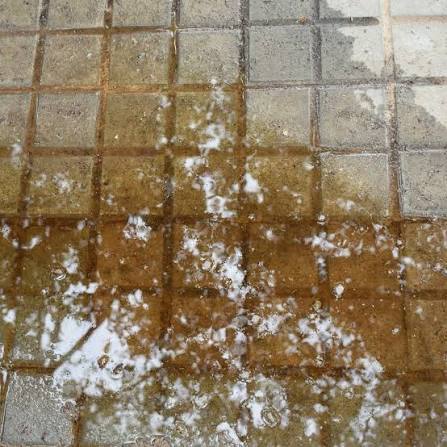
Moisture appearing near a slab or along a wall base.
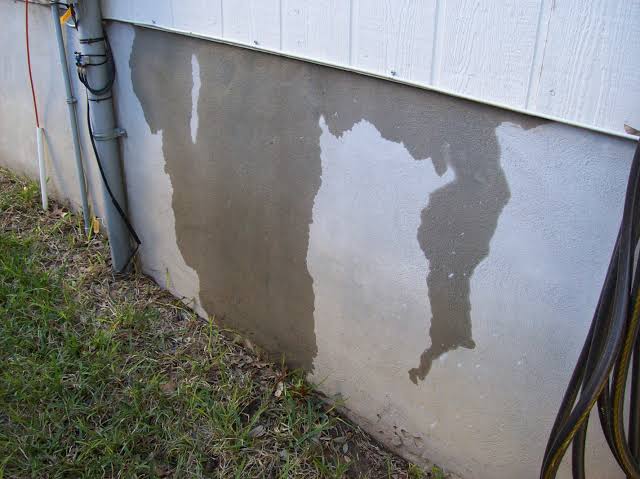
Seepage around below-grade walls or penetrations.
Water collecting near the foundation after rainfall.
Coverage depends on the provider and location. Ask about credentials, scheduling and any travel charges before booking.
Ask which tests support the proposed repair and what remains uncertain.
Confirm access, materials, testing, debris removal and surface restoration.
Ask how the system will be retested and what written documentation you receive.
No. Plumbing, groundwater, condensation and exterior water entry can produce similar symptoms.
No. Surface sealants alone may not address hydrostatic pressure or an ongoing water source. The cause should be assessed first.
When the symptoms suggest a hidden plumbing leak, testing the plumbing first can help avoid treating the wrong cause.
Share the symptoms and your location. A qualified local provider can confirm availability, inspect the system and discuss the scope.
Share a few details so your enquiry has a useful starting point.